Live Event Production Industry remains healthy, growing, and AI-resilient. Here’s your cheat-sheet on why & how to get involved.
Live Event Production Industry remains healthy, growing, and AI-resilient. Here’s your cheat-sheet on why & how to get involved.
Industry Growth
The live events industry is experiencing expansion, with projections showing the global market set to nearly double by early 2030s as audiences crave immersive, in-person and hybrid experiences.
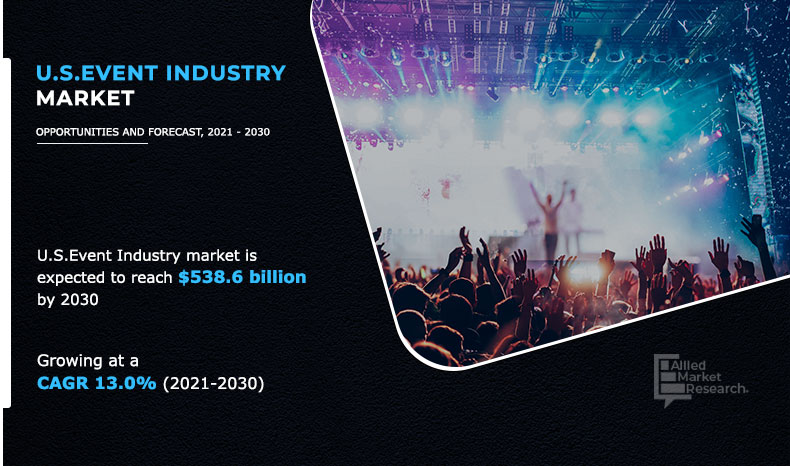
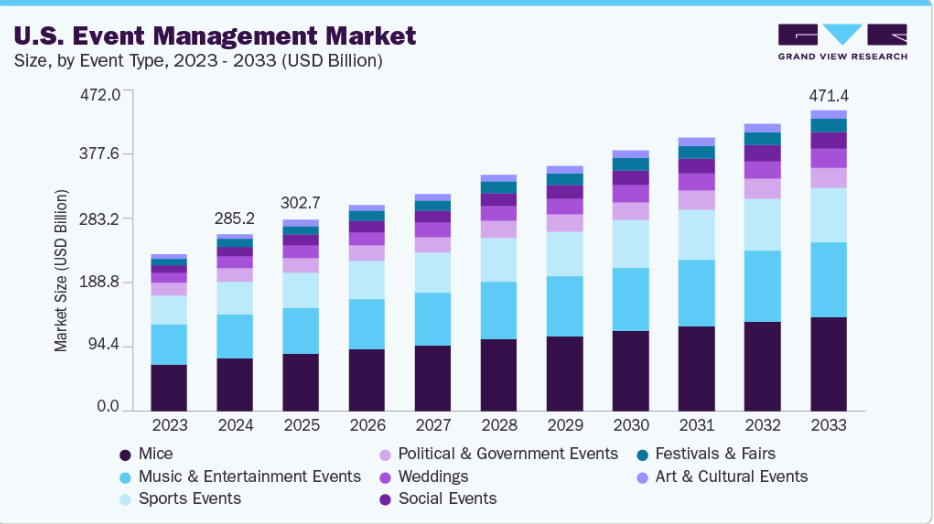
Specific to the United States, the Live Event industry is projected to reach between $300B and $530B by 2030 with industry growth rates between 5 - 13% [Allied Market Research, Grand View Research]
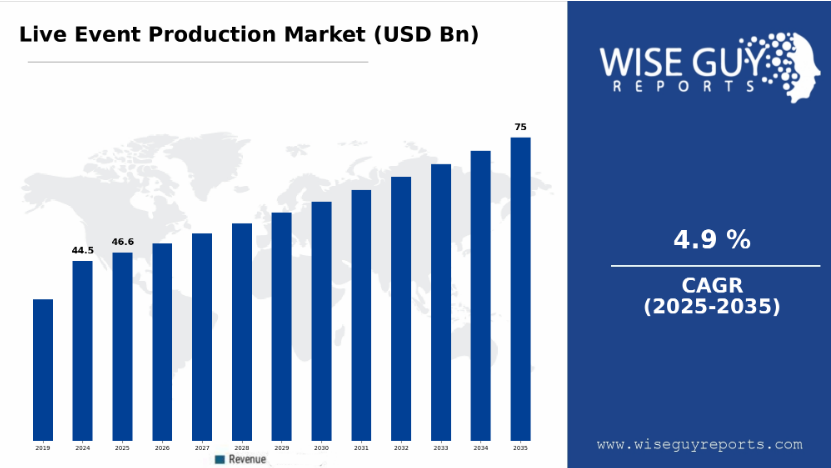
The supporting US Live Event Production Services has similar projected growth reaching $75B by 2034 [Wise Guy Reports]
But I read that AI will take away all the production jobs?
The more AI enables effectively infinite video content, the more consumer demand will increase for authentic LIVE experiences!
Generative AI is indeed impacting the creation of tv, film, animation, and video content for entertainment and marketing.
Very soon generative AI generated video content will be indistinguishable from ‘real’ content
This will trigger a shift from the attention-economy to a trust-economy and a connection-economy. And the most trust-worthy, authentic, and ‘real’ moments are delivered via live in-person events and live-streaming.
Hence humans will seek out live experiences with other real humans
From a workforce perspective live production is simply much more AI-resistant than non-live produciton.
Live is unpredictable and exception-based and one way or another the show must go on.
What is the norm is equipment malfunction, performer issues, odd audience behavior, and/or last-minute changes - imagine the microphone stops working mid-song or a spotlight motor fails or an esports competitor arrives late or one thousand other exceptions.
Fundamentally there is a physical, hands-on nature to the work -- Eg. Coiling cables, lifting trusses, placing mics, assembling stages -- combined with the digital aspect.
This physical nature of the venue, performers, and audience make these live production jobs far more resistant to full automation than film post-production, CGI, or editing where AI can already generate and manipulate digital visuals effectively.
Examples of 2025 Live Event Investments Local to Georgia:
Trilith Live - a 530,000-square foot live entertainment complex including a 2,200 seat theatre and two 25,000 sq foot sound stages for live.
Centennial Yards - a 5,300 seat venue as part of the $5 billion redevelopment in downtown Atlanta; adding concert and event capability to the entertainment district alongside State Farm Arena and Mercedes-Benz Stadium
Ravine at Underground - announced two-stage, 181,000 sq foot live music and performance venue at Underground Atlanta
Gas South Arena - a $170 million expansion and renovation of Gas South Arena and District, home to a 13,000 seat arena a 708-seat theater and convention center with 90,000 sq ft of exhibit space
The Gathering at South Forsyth - County approved plans for a $3 billion mixed-use development that includes proposed arena aimed at attracting an NHL franchise and broader entertainment uses.
Resurgens Center - Skillshot Media’s home at Uptown Atlanta with purpose built infrastructure for gaming, esports, and experiential or hybrid livestreamed events.
And expanded and more varied live event programming coming to Georgia World Congress Center, State Farm Arena, Mercedes-Benz, Sanford Stadium (UGA), Center Parc Credit Union Stadium (GSU), etc
Interested? Here are attributes of people who thrive in live production
Calm Under Pressure. Live events are high stakes and unforgiving in that the show goes on no matter what.
Don’t panic when something breaks 5 minutes before live
Can troubleshoot quickly and accept imperfect solutions
Stay focused during long days, loud environments, and tight turnar
Strong Work Ethic + Team Mentality. Live production is a team sport.
Jump in without being asked
Don’t disappear during load-in or load-out
Respect every role, from cable-layer to show runner to department head to client or sponsor
Curiosity and Willingness to Learn. The industry is always evolving.
Ask smart questions a the right time
Learn signal flow, not just button-pushing
Take notes, watch experienced folks and practice on your own time
Adapt to new tech and workflow without ego
Still interested??? What is the next step?
You DO need some initial hands-on experiential training and just as importantly you need industry connections. It is both what you know and who you know that will get you projects.
Look for a certification program that is 1) Hands On and 2) Taught by professionals actively working in the live production industry.
Post training, how do I get my first production gig?
Start Where the Work Actually is - Local Crews & Venues
Most people don’t break in through touring, they start locally.
Apply or reach out to local production companies, AV houses, staging/lighting/sound vendors, and venues.
Look for roles like Stagehand, Audio / Lighting / Video tech assistant, Load-in / Load-out crew
Sign up with local labor providers and freelance lists
Be Extremely Reliable Before Being Extremely Talented
Live production hires on trust first and skill second when it comes to entry level. So show up early, listen more than you talk, don’t touch gear unless told and finish jobs.
Production managers remember Who shows up, Who works hard, & Who doesn't complain at 2 a.m.
Pick One Department First - Choose one area to focus on for 6-12 months while learning basics of others
Generalists exist but specialist get hired faster
Common entry gigs include: Audio mic placement patching, Lighting hanging fixtures & cable runs, Video LED walls & camera ops, Stage carpentry, rigging, Production stage manager, runner.
Say Yes Early, Then Raise Your Rate Later
Early in your career, experience + contacts > money
Take lower-pay or short-notice gigs early
Build reputation as “person who saves the day”
Track your days, skills and responsibilities
Once people trust you you’ll get first calls, you can raise your day rate, and you’ll get asked to tour or for advance shows
Network Sideways, Not Up
Most jobs come from other crew members, not bosses
On every gig: learn people’s names, ask how they got started, swap contact info after the show goes well, and follow-up: “great working with you and I’m happy to help in the future
When someone needs an extra person on the production line they don’t post online - they text someone they already worked with



.png)
%20(2).png)

